Call Us Today!
Restrooms That Keep Job Sites Running
Construction Site Rental in Sioux Falls for active work sites requiring on-site sanitation facilities
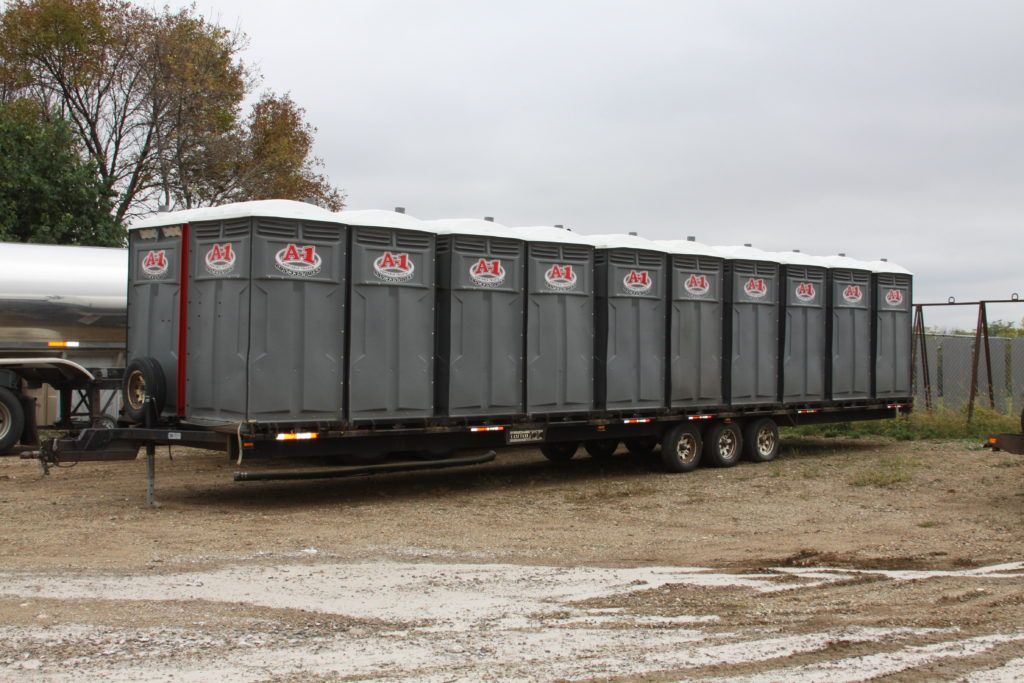
Work sites without permanent restrooms rely on portable sanitation to meet safety and regulatory requirements for crew access throughout the workday. A-1 Portable Toilets delivers standard portable toilets, ADA accessible units, and handwash stations in Sioux Falls for short-term projects and long-term construction sites where daily crew access to restroom facilities is required. Standard units are single-stall, self-contained structures with shelves for work gloves or tools, solar lights for early or late shifts, and hand sanitizer dispensers that eliminate the need for external hand hygiene setups.
Each unit is positioned based on site access, staging area layout, and proximity to work zones where crews spend the majority of their time. ADA accessible units include rail bars, larger interior dimensions, and the same solar lighting and hand sanitizer features as standard models, ensuring accessibility compliance for sites with mobility requirements. Handwash stations are stand-alone units that provide a dedicated hand hygiene point separate from the restroom, which is often necessary when crews handle materials that require cleaning before breaks or meals.
Arrange a site evaluation to determine unit quantity and placement based on crew size and project timeline.
Why Routine Maintenance Matters on Active Sites
Construction sites generate consistent restroom use across shifts, which means waste tanks fill faster and supply levels deplete more quickly than at low-traffic events. A-1 Portable Toilets schedules maintenance visits tailored to rental length and crew size, typically on a weekly basis for long-term projects. Servicing includes pumping waste holding tanks, washing and sanitizing interior surfaces, and restocking hand sanitizer, toilet paper, and soap or water in handwash stations.
After a scheduled service visit, crews notice clean surfaces, restocked dispensers, and fully functional waste capacity that prevents odor buildup or supply shortages during work hours. Sites using handwash stations in addition to standard or ADA units benefit from restocked soap and water supplies that support hand hygiene compliance, particularly when crews work with treated lumber, concrete, or sealants that require thorough handwashing before eating.
Routine servicing is available on weekends by appointment, and 24/7 emergency service is accessible for urgent maintenance needs such as accidental damage, overflow conditions, or delivery delays caused by weather. Scheduling flexibility ensures restroom facilities remain functional even when project timelines shift or crew sizes increase unexpectedly.
Common Questions About This Service
Understanding rental duration, maintenance frequency, and unit specifications helps contractors plan site logistics effectively.
How often should units be serviced on a construction site?
Service frequency depends on crew size and rental duration. For most active job sites, weekly servicing prevents waste tank overflow and ensures supplies remain stocked throughout the week. Sites with larger crews or extended hours may require more frequent visits.
What happens during a standard maintenance visit?
Technicians pump out the waste holding tank, clean and sanitize all interior surfaces including the seat, walls, and floor, and restock hand sanitizer, toilet paper, and soap or water for handwash stations. The visit typically takes a few minutes per unit and is scheduled to avoid peak work hours.
When should handwash stations be added to a construction site rental?
Handwash stations are recommended when crews exceed five workers, when the project involves materials requiring hand cleaning before breaks, or when food service is provided on site. Stand-alone stations allow crews to wash hands without occupying restroom units during peak times.
What makes ADA accessible units different from standard models?
ADA units are larger to accommodate wheelchairs and mobility aids, include rail bars mounted on interior walls for transfer assistance, and provide the same solar lighting and hand sanitizer features as standard units. They are required on sites where accessibility compliance is mandated or where crew members have mobility needs.
How do solar lights function during winter months in Sioux Falls?
Solar panels on the roof collect available daylight throughout the day, even during overcast winter conditions, and store energy to power LED lights during evening or early morning shifts. The system eliminates the need for battery replacements or external electrical connections on remote job sites.
A-1 Portable Toilets coordinates delivery, placement, and regular maintenance to keep your site compliant and your crews comfortable throughout the project in Sioux Falls.